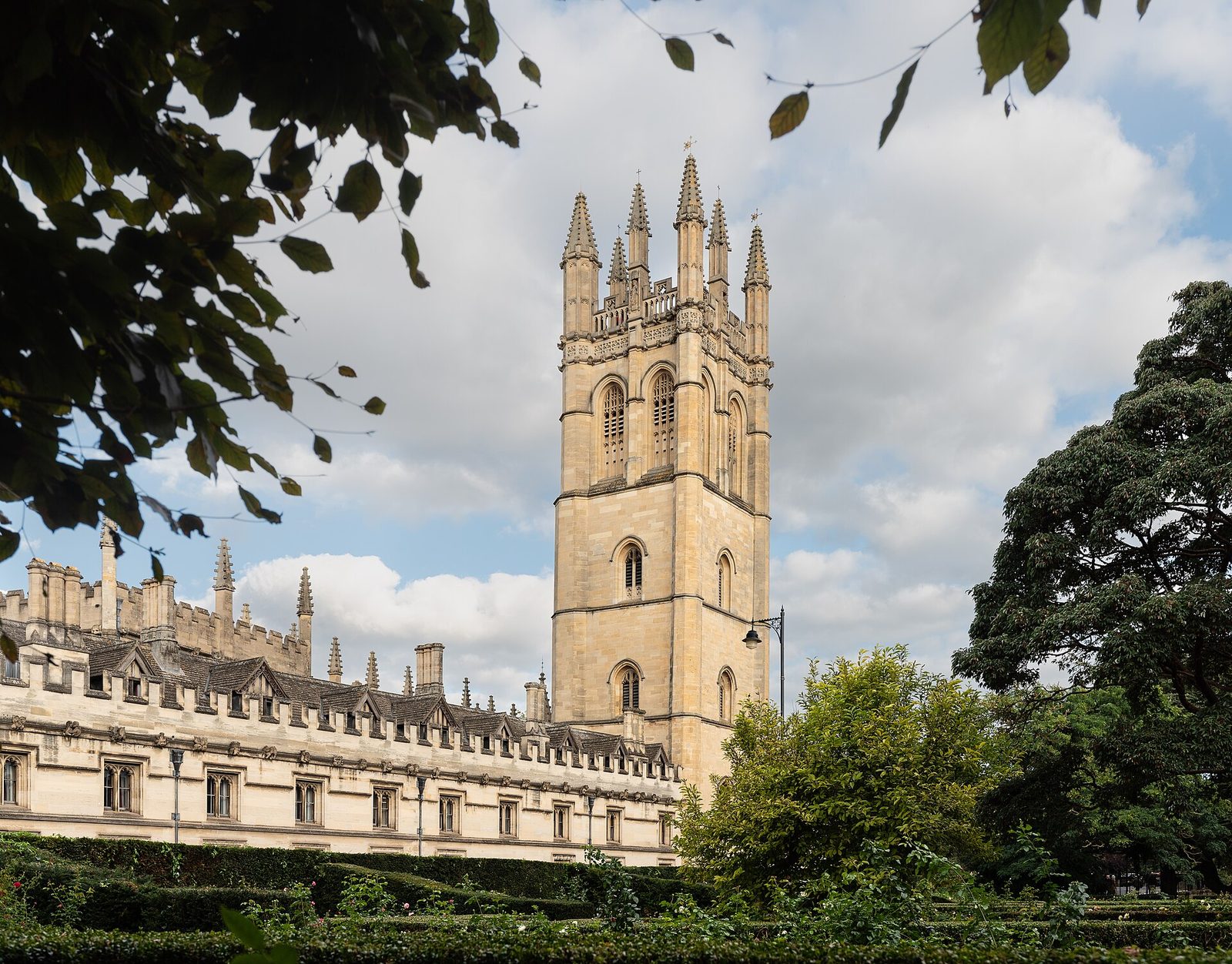
Hiring talent in Oxford works best when you combine the city's free university channels (the Oxford University Careers Service and Oxford Brookes' JobTeaser portal) with its science-park communities and a clear, legally sound process. Before the first advert goes out, budget for at least the National Living Wage of £12.71 an hour, employer National Insurance above £96 a week, and pension auto-enrolment, and remember that the competition for skilled staff in a city of around 162,000 people is intense (figures checked October 2026). This guide sets out where Oxford talent comes from, how to reach it, and the official steps every new employer must follow.
Who you are hiring from
Oxford is a young, highly educated city with a large student population, which shapes the local labour market in ways a founder should plan around. The Office for National Statistics Census 2021 profile of Oxford shows:
- The population grew 6.7% between 2011 and 2021, from just over 151,900 to around 162,000.
- The median age is 31, up from 29 in 2011.
- Of residents aged 16 and over, 49.6% were employed (excluding full-time students) in 2021, compared with 57.6% across the South East, because so many residents are students.
- Unemployment stood at 2.2%, down from 3.0% in 2011.
The practical upshot: a large pool of graduates and postgraduates, a relatively small pool of non-student residents already in work, and an expensive housing market (average private rent of £1,957 a month in September 2026, according to the ONS housing prices tool) that affects what salary a candidate needs to accept a job in the city. Many employers also recruit from the wider county and along the rail lines.
University and graduate channels
The two universities are the most direct route to early-career talent, and both offer free channels for employers.
Oxford Brookes University. Brookes lets employers upload job vacancies free of charge through its JobTeaser portal, which is open to current students and alumni. You can advertise internships, placements and graduate roles, and you are responsible for making sure each advert complies with employment and equal opportunities law.
University of Oxford. The University's Careers Service also works with employers who want to reach Oxford students and graduates; contact it directly for its current options and terms.
Spinout and research talent. Oxford University Innovation, the University's commercialisation arm, protects intellectual property, creates and grows companies and arranges consultancy with academics. It reports that Oxford spinouts have attracted more equity investment than those of any other UK university over the past decade. For a founder, that means two things: experienced spinout staff are in demand, and consultancy can be a way to bring in specialist expertise before you can afford a full-time hire.
Science parks and the innovation community
Much of Oxford's technical hiring happens around its science parks, where companies, research groups and investors share space and networks.
- Oxford University Science Park, Begbroke, north of the city, is the only science park wholly owned and managed by the University. It was established more than 20 years ago and hosts around 30 companies and over 20 research groups from the Mathematical, Physical and Life Sciences and Medical Sciences divisions.
- The Oxford Science Park houses businesses ranging from multinationals to start-ups in science and technology.
Being in or near one of these communities gives you access to their events, newsletters and informal referral networks, which often matter more than job boards for specialist roles.
At county level, Enterprise Oxfordshire's skills team works with several dozen secondary schools and colleges, helps employers access funding schemes such as apprenticeship levy support, and reports more than £23 million of capital investment in new training facilities in the county.
Apprenticeships and growing your own
For roles where experience matters more than a degree, apprenticeships let you train staff on the job. According to GOV.UK's guide to employing an apprentice, apprentices are aged 16 or over, combine work with study, and take between 8 months and 6 years to complete depending on the level. They must be paid at least the apprentice rate of £8 an hour (as of April 2026) if they are under 19 or in the first year of their apprenticeship; after that, the minimum wage for their age applies.
Larger Oxfordshire employers have pledged apprenticeship levy funds to be kept in the county, and Enterprise Oxfordshire can point smaller firms towards that support.
The legal steps before your first hire
GOV.UK's step-by-step guide to employing someone for the first time is the place to start. The core steps are:
- Check employment status. Decide whether the person will be an employee, a worker or a contractor; the rules differ for each.
- Check you can afford it. Pay at least the minimum wage, and budget for employer National Insurance, statutory sick pay, pension contributions and family leave pay.
- Register as an employer. Register with HMRC and set up PAYE so you can pay tax and National Insurance for your staff, and choose how to run payroll.
- Set up a workplace pension. Under the Pensions Act 2008, every employer must put certain staff into a workplace pension and contribute to it. The Pensions Regulator explains your automatic enrolment duties, which begin as soon as you employ one person.
- Get Employers' Liability insurance, and put health and safety, data protection and accessibility arrangements in place.
Pay and costs as of October 2026
- National Minimum Wage rates from April 2026: £12.71 an hour at 21 and over, £10.85 for 18 to 20, £8 for under-18s and the apprentice rate.
- The Real Living Wage, a voluntary rate calculated independently of government, was set on 15 October 2026 at £14.10 an hour across the UK and £15.45 in London. Accredited employers have until 1 May 2027 to implement it. Nearly 17,000 UK businesses pay it voluntarily.
- Employer National Insurance starts above the secondary threshold of £96 a week (£417 a month), with higher thresholds for employees under 21 and apprentices under 25, according to HMRC's rates and thresholds for 2026 to 2027.
- Eligible employers can claim the Employment Allowance to reduce their employer National Insurance bill by up to £10,500 a year.
Running a fair recruitment process
Acas guidance on following discrimination law in recruitment is clear that you must not discriminate against applicants because of a protected characteristic, either directly or through a practice that applies to everyone but disadvantages a particular group. You can ask about protected characteristics only in limited circumstances, such as using positive action or where the law sets a minimum age for the job. In practice:
- Write the job description and person specification before the advert, and assess every candidate against the same criteria.
- Avoid wording in adverts that implies an age, gender or background ("recent graduate", "young team") unless it is lawful and justified.
- Keep notes of shortlisting and interview decisions in case you need to explain them later.
- Offer reasonable adjustments to disabled candidates during the process.
Keeping the people you hire
Retention matters as much as recruitment in a city where housing costs are high. Things within a small company's control:
- Pay transparently. Publishing a salary range saves time for both sides, and paying the Real Living Wage as a floor is a visible signal in a high-cost city.
- Be realistic about commuting. Many staff live outside the ring road or in nearby towns, so flexible hours or hybrid working can widen your pool.
- Use the network. Science park events, university links and alumni communities help new hires build connections, which makes them more likely to stay.
- Plan development. Apprenticeships, conference budgets and links with university researchers give ambitious staff a reason to grow with you rather than move on.
No channel or policy guarantees a successful hire, but employers who budget properly, follow the official steps and use Oxford's free university routes give themselves the widest choice. For more on life in the city, which candidates will ask you about, see the Oxford Society homepage.