Classical music in Oxford - venues, choirs and what to look out for
Where Oxford actually sounds best: the halls, chapels and ensembles worth planning around.
Oxford offers a dense, layered classical music scene anchored by centuries-old institutions and working professional ensembles. The Holywell Music Room provides intimate chamber acoustics in an eighteenth-century setting. The Sheldonian Theatre delivers large-scale choral and orchestral works under a painted sky. Christ Church Cathedral and New College choirs sustain daily Evensong traditions. The Oxford Philharmonic Orchestra serves as the city's resident professional symphony organisation, programming major repertoire from Haydn to Mahler.
The Holywell Music Room
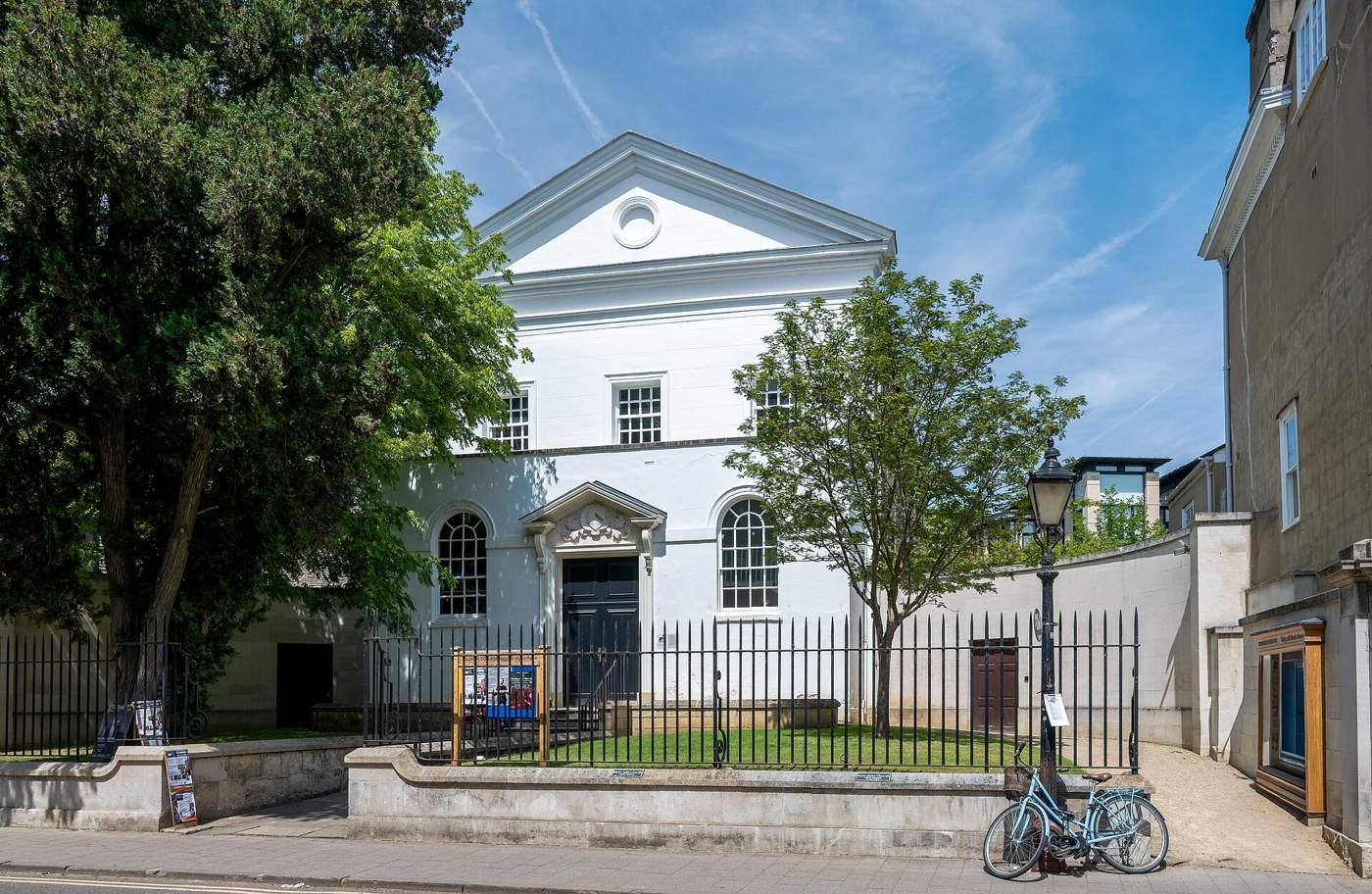
Built in 1748 to a design by William Jones, the Holywell Music Room holds the distinction of being the oldest purpose-built concert hall in Europe. It predates the more famous Gewandhaus in Leipzig by several decades. The venue sits on Holywell Street, tucked behind New College and physically connected to the grounds of Wadham College. For a member or regular concertgoer, the room offers a specific, unreplicable experience of eighteenth-century musical scale. The space is small. It accommodates only a few hundred listeners in a rectangular room with a flat floor and a raised platform at one end. The acoustic is famously dry, clear, and entirely unromanticised. There is no reverberant bloom to hide a sloppy semiquaver or an uneven bow stroke. This clarity makes it a punishing room for mediocre players, but a rewarding one for excellent ones. Notes attack and decay with immediate transparency.
The room does best with chamber music. String quartets, piano trios, and solo recitals find the correct proportional balance here. The Holywell is the natural home of the Oxford Chamber Music Society, which hosts regular Saturday evening concerts. These events feature established professional ensembles from across the UK and Europe. The programming tends toward the standard chamber canon: Haydn, Mozart, Beethoven, Schubert, Brahms, and Bartók. Because the room lacks a pit or an orchestra shell, it rarely hosts large ensembles. When a string orchestra plays here, the audience hears the individual voices of the instruments rather than a blended wall of sound. The Holywell Music Room demands attentive listening. The audience sits close enough to the performers to see the resin on the bows and the mechanics of the piano pedals.
The Sheldonian Theatre
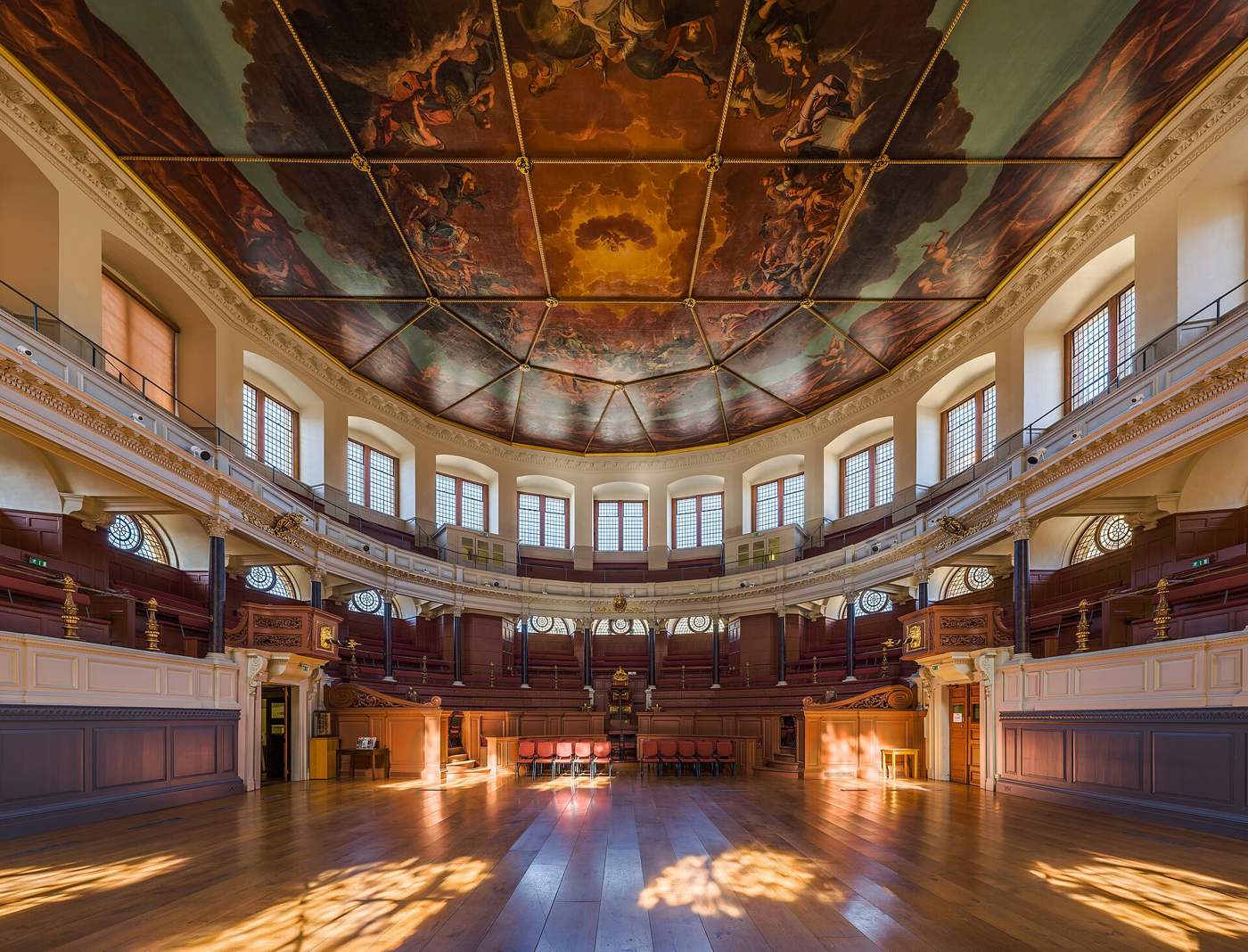
The Sheldonian Theatre stands as the city's primary venue for large-scale classical music. Designed by Christopher Wren and completed in 1669, the building serves as the University of Oxford's ceremonial hall, but its function as a concert venue defines its musical identity. The main space is a broad, U-shaped gallery encircling a flat floor, all of it overlooked by a painted ceiling executed by Robert Streater. The acoustic is distinct and challenging. It is highly reverberant, with a long decay time that makes fast, contrapuntal music sound muddy if the ensemble lacks precision. However, for massed forces, the reverberation adds a necessary sense of grandeur and weight.
The Sheldonian Theatre excels at hosting large choral and orchestral works. The Oxford Philharmonic Orchestra uses the Sheldonian as its main performance base, presenting multiple concerts each season. The venue also hosts the major university orchestras, such as the Oxford University Orchestra, and touring professional ensembles. Programmes here lean toward the Romantic and late-Romantic symphonic repertoire. A typical season includes Mahler symphonies, Beethoven choral works, and oratorios by Handel and Mendelssohn. The venue is also the focal point of the Oxford May Music festival, a multi-day event that brings international soloists and chamber groups to the city each spring. For a member, the Sheldonian offers the scale and volume required for the largest works in the canon, provided the performers adjust their articulation to suit the live acoustic.
Christ Church Cathedral Choir
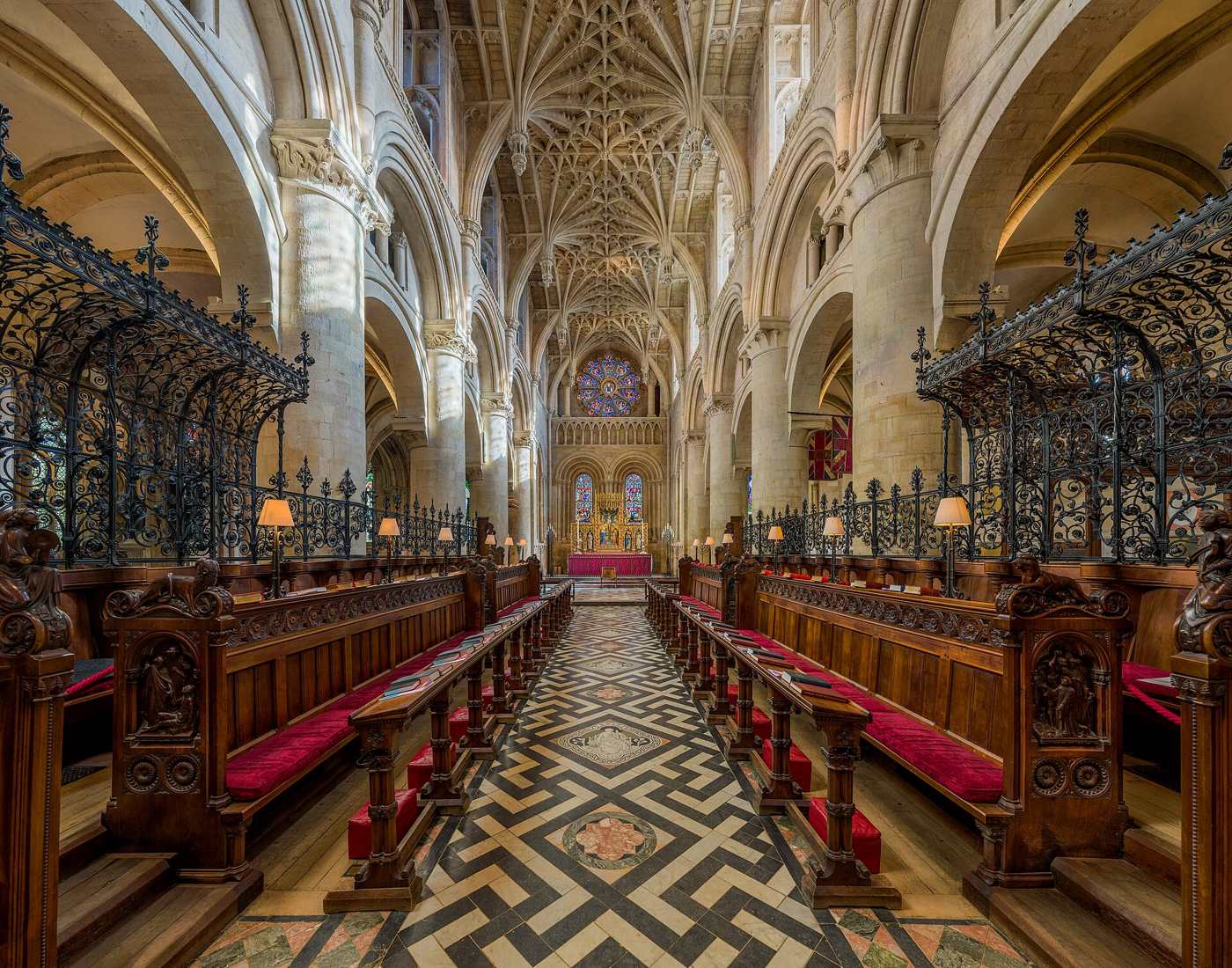
Christ Church Cathedral functions as both a cathedral and the college chapel of Christ Church, a dual role unique in Oxford. The choir traces its origins back to the foundation of Cardinal College by Thomas Wolsey in 1525. The ensemble consists of adult professional singers, known as lay clerks, and boy choristers. The choir sings daily services, maintaining a rhythm of Evensong and Eucharist services throughout the university terms and beyond. The acoustic of the cathedral is exactly what one expects from a perpendicular Gothic structure. The building features high vaulting and hard stone surfaces that produce a long, echoing reverberation. This acoustic favours the polyphonic repertoire of the Renaissance and Tudor periods. The sound of the choir hangs in the air, blending the separate vocal lines into a cohesive, floating texture.
Christ Church Cathedral Choir does best with the music of the English cathedral tradition. The daily Evensong services feature works by Byrd, Tallis, Gibbons, and Weelkes. The choir also performs later Anglican repertoire by composers such as Stanford and Howells, whose writing exploits the acoustic properties of large stone buildings. The choir frequently commissions and performs contemporary liturgical music, maintaining a living tradition. For a member of the congregation or a regular attendee, the appeal lies in the daily consistency of the music. The services are liturgical rather than secular concerts, meaning the music serves a specific function within the worship. The listener hears the repertoire in its intended context, performed by a choir that has rehearsed the acoustics and the liturgy to a professional standard.
New College Choir
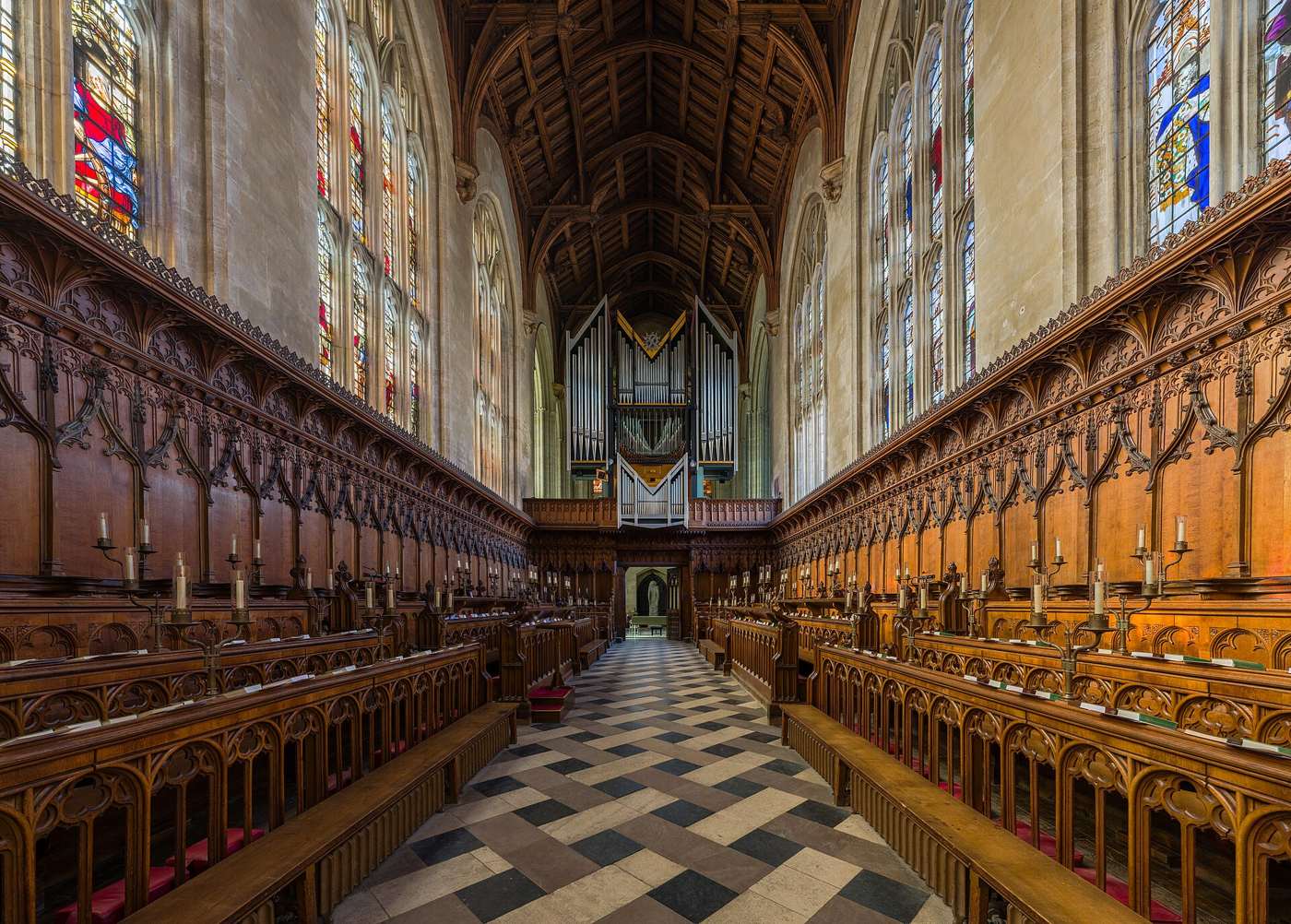
New College Choir operates from the chapel of New College, founded by William of Wykeham in 1379. The choir is renowned for its history and its high standards of performance. The ensemble includes boy choristers and adult lay clerks, but New College is also notable for its inclusion of female choral scholars in recent years, expanding the vocal palette. The chapel itself is a large, perpendicular Gothic building, but the acoustic differs from Christ Church. The stalls are positioned relatively close together, and the sheer scale of the building gives the sound a vast, spacious quality. The reverberation is long but controlled, allowing for clarity in complex polyphony while maintaining a majestic aura.
New College Choir excels in both liturgical settings and concert performances. The daily Evensong services form the core of its work, drawing on a repertoire that spans centuries. The choir is particularly noted for its interpretations of contemporary music and complex polyphony. Composers like Pärt, Tavener, and Górecki feature prominently in the choir's concert programmes, alongside the standard Renaissance masters like Palestrina and Victoria. The choir tours internationally and records extensively, bringing a polished, concert-hall precision to its liturgical duties. For a member, the New College experience offers a slightly different flavour of the English choral tradition. The programming is often ambitious, pushing beyond the standard Anglican fare into broader sacred and secular choral works. The chapel's acoustic supports this range, giving a luminous quality to both ancient and modern harmonies.
The Oxford Philharmonic Orchestra
The Oxford Philharmonic Orchestra functions as the city's principal professional symphony orchestra. Founded in 1998, the ensemble holds the position of Orchestra in Residence at the University of Oxford. The orchestra comprises professional musicians from the region and draws on a pool of talented players from across the UK. The Oxford Philharmonic does not have a single permanent home, but it performs primarily at the Sheldonian Theatre and the Christopher Wren-designed Tom Tower Quad at Christ Church for outdoor summer events. The orchestra's character depends on the venue. In the Sheldonian, the ensemble adjusts its playing to manage the hall's reverberation. The string section often employs a leaner, more articulated bowing style to prevent the sound from becoming muddy in fast passages.
The Oxford Philharmonic Orchestra does best with the central symphonic repertoire. The orchestra's seasons feature works by Beethoven, Brahms, Tchaikovsky, and Mahler. The ensemble regularly collaborates with international soloists, bringing high-profile performers to Oxford. Past collaborations have included pianists and violinists of international standing, as well as local academic-musicians. The orchestra also engages in educational work, partnering with the university and local schools. The programming balances canonical symphonies with concertos and occasional contemporary works. For a member, the orchestra provides the experience of a full symphonic ensemble in a city that otherwise focuses on smaller-scale music. The concerts are formal affairs, adhering to traditional symphonic concert structures with overtures, concertos, and symphonies.
Comparative Listening Guide
A member looking to experience the full range of Oxford's classical music offerings should plan their attendance around the specific strengths of each venue and ensemble. The variety available allows for a comprehensive musical education within a compact geographic area. For chamber music: Attend a Saturday evening concert at the Holywell Music Room. The clarity of the acoustic suits string quartets and solo piano recitals. The proximity to the performers offers a detailed view of the technical execution. For large symphonic works: Book a ticket for an Oxford Philharmonic Orchestra concert at the Sheldonian Theatre. The scale of the venue and the size of the orchestra match the demands of late-Romantic symphonies. For liturgical polyphony: Attend Evensong at Christ Church Cathedral. The daily service offers a consistent opportunity to hear Tudor and Renaissance choral music in its intended liturgical context. For contemporary sacred music: Attend Evensong or a concert at New College Chapel. The choir's focus on modern composers and complex polyphony benefits from the chapel's spacious acoustic.
Frequently asked questions
How does the acoustic of the Holywell Music Room affect the type of music performed there?
The Holywell Music Room has a famously dry, clear acoustic with minimal reverberation. This lack of acoustic bloom means that fast, intricate passagework is heard with absolute clarity, making it an ideal venue for chamber music where individual instrumental lines must be distinct. The room's small size and lack of reverberant tail mean it is unsuitable for large orchestral forces or highly resonant choral music, which require a longer acoustic decay to blend properly. Performers must rely on precise articulation rather than room effects to achieve musical phrasing.
What distinguishes the choirs of Christ Church Cathedral and New College in their daily performances?
Christ Church Cathedral Choir operates within a functioning cathedral, maintaining a strong emphasis on the traditional Anglican choral tradition with a focus on Tudor and Renaissance polyphony. The cathedral's acoustic is highly reverberant, favouring music where the vocal lines blend into a continuous texture. New College Choir, while also maintaining daily Evensong, is known for a broader repertoire that includes significant amounts of contemporary sacred music and complex polyphony. The acoustic of New College Chapel is vast but offers slightly more clarity than Christ Church, allowing the choir to tackle intricate modern compositions alongside the standard liturgical repertoire.
What kind of repertoire does the Oxford Philharmonic Orchestra typically perform at the Sheldonian Theatre?
The Oxford Philharmonic Orchestra primarily performs the central symphonic repertoire at the Sheldonian Theatre. The programmes typically feature major works from the Classical, Romantic, and late-Romantic periods, including symphonies by Beethoven, Brahms, and Mahler, as well as concertos featuring visiting international soloists. The Sheldonian Theatre's large capacity and reverberant acoustic are well-suited to the scale and volume required by these large-scale orchestral works, allowing the full forces of a symphony orchestra to project effectively.
This is an independent member's guide compiled by Oxford BGTC Society. We are not affiliated with the venues and institutions mentioned; opening arrangements and programmes change - always confirm details on the official websites before making plans.
← Back to Events