Day trips from Oxford - a member's guide
Where to go when you have a day and want it to count: real destinations within reach of Oxford.
Oxford, with its academic heritage and architectural beauty, serves as an excellent base for exploring the surrounding English countryside and historic towns. Within a short distance, visitors can discover UNESCO World Heritage Sites, picturesque Cotswold villages, ancient market towns, and the birthplace of England's greatest playwright, each offering a distinct experience worthy of a full day's exploration.
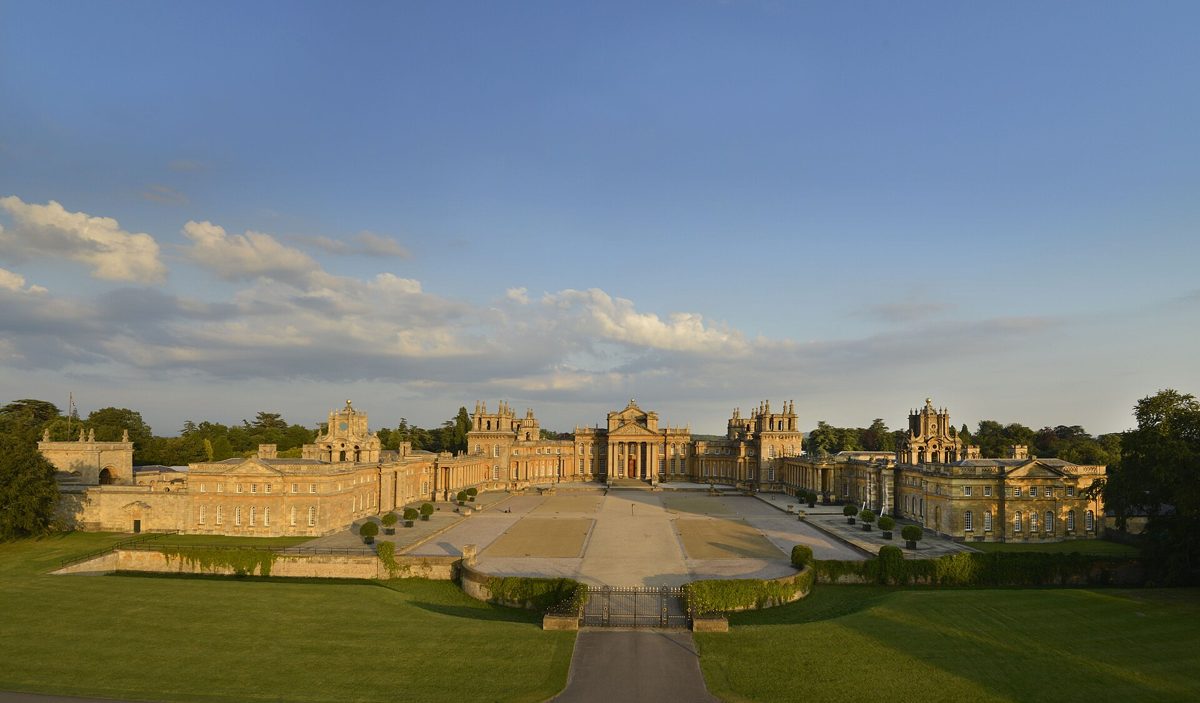
Blenheim Palace, Woodstock
Blenheim Palace, a monumental country house situated near Woodstock, is a UNESCO World Heritage Site and the ancestral home of the Dukes of Marlborough. This Baroque masterpiece, designed by John Vanbrugh, stands as a grand example of 18th-century architecture and landscape design. It is also historically significant as the birthplace of Sir Winston Churchill, whose life and legacy are commemorated within the palace.
A day at Blenheim offers a deep dive into English aristocracy and history. Visitors can tour the opulent State Rooms, adorned with tapestries, portraits, and furniture that reflect centuries of wealth and influence. The Long Library, one of the most impressive rooms, houses a vast collection of books and features a magnificent organ. It includes formal gardens such as the Water Terraces, the Secret Garden, and the Rose Garden, alongside vast sweeping lawns, ancient woodlands, and the Grand Bridge. Exploring these grounds alone can occupy many hours, whether through leisurely strolls or longer hikes. The sheer scale and historical depth ensure that a full day is well spent absorbing the grandeur and stories of this iconic estate. Blenheim Palace is located just under 10 miles north of Oxford, making it a very convenient excursion.
The Cotswolds - Burford and Bourton-on-the-Water
The Cotswolds, an Area of Outstanding Natural Beauty, present a landscape of rolling hills, dry stone walls, and honey-coloured limestone villages. Two particularly rewarding towns for a day trip from Oxford are Burford and Bourton-on-the-Water, each offering a distinct charm of this celebrated region.
### Burford
Often called the 'Gateway to the Cotswolds,' Burford is a medieval market town built on a steep hill leading down to the River Windrush. Its High Street is one of the most photographed in England, lined with historic buildings, many dating back to the 15th century, housing antique shops, galleries, and traditional pubs. Walking along the High Street reveals centuries of history in the architecture, from timber-framed houses to elegant Georgian facades. The Church of St. John the Baptist, a grand wool church at the bottom of the hill, is a highlight, featuring impressive stained glass and a rich history connected to the town's prosperity from the wool trade. The view looking up the High Street from the bridge over the Windrush is particularly iconic. Burford offers a genuine sense of a living, historic Cotswold town, inviting visitors to wander, browse, and absorb the atmosphere. Burford is approximately 20 miles west of Oxford.
### Bourton-on-the-Water
Further into the Cotswolds, Bourton-on-the-Water is known as the 'Venice of the Cotswolds' due to the River Windrush flowing directly through the village centre, crossed by a series of low, picturesque stone bridges. This village provides a quintessential Cotswold experience, with its tranquil waters, green banks, and charming stone cottages. It is a place for gentle exploration, enjoying the unique village layout and the serene river setting. Beyond simply enjoying the scenery, visitors can explore attractions such as the Model Village, a one-ninth scale replica of Bourton-on-the-Water itself, offering a whimsical perspective on the village's architecture. Birdland Park and Gardens, home to various bird species including penguins and flamingos, also provides a pleasant diversion. The village's beauty and relaxed pace make it an ideal spot for a leisurely day trip. Bourton-on-the-Water is around 30 miles west of Oxford.
Abingdon-on-Thames
Abingdon-on-Thames, a historic market town, lays claim to being the oldest continuously inhabited town in England. Situated on the River Thames, just a few miles south of Oxford, it offers a fascinating glimpse into England's ancient past, distinct from the academic focus of its neighbour. The town's history stretches back over 5,000 years, with evidence of Iron Age and Roman settlements.
A day in Abingdon can be spent exploring its historical core and riverside attractions. Key historical sites include the ruins of Abingdon Abbey, once one of the most important monasteries in England. Though largely demolished during the Dissolution of the Monasteries, its remaining buildings, including the Checker and Long Gallery, offer a sense of its former grandeur. The County Hall, a magnificent 17th-century building designed by Christopher Kempster, now houses the Abingdon Museum and dominates the Market Place. This square, with its traditional market cross, has been the heart of the town for centuries. The Abingdon Bridge, a medieval stone bridge crossing the Thames, provides scenic views and connects the town to its southern bank. Walking along the river, enjoying the locks and the boats, offers a peaceful contrast to the town's historical depths. Abingdon's blend of ancient history, architectural heritage, and riverside charm makes it a worthwhile and accessible day trip. Abingdon is approximately 7 miles south of Oxford.
Stratford-upon-Avon
Stratford-upon-Avon, located in Warwickshire, is globally renowned as the birthplace of William Shakespeare. For anyone with an interest in English literature, theatre, or history, a day trip to Stratford is an essential pilgrimage. The town has meticulously preserved and presented the sites associated with Shakespeare's life, offering a comprehensive journey through his world.
Visitors can explore several key properties managed by the Shakespeare Birthplace Trust. These include: Shakespeare's Birthplace: The house on Henley Street where William Shakespeare was born and spent his childhood. The rooms are furnished as they would have been in the 16th century, and costumed guides often share insights into Elizabethan life. Nash's House & New Place: Though New Place, Shakespeare's final family home, was largely demolished, its foundations are preserved, and a beautiful knot garden now stands on the site. Nash's House, next door, belonged to Thomas Nash, who married Shakespeare's granddaughter, Elizabeth Hall. Hall's Croft: The elegant Jacobean home of Shakespeare's daughter, Susanna, and her husband, Dr. John Hall. The house features a tranquil walled garden and exhibits on the Hall family's life. Anne Hathaway's Cottage & Gardens: A picturesque farmstead in Shottery, just outside Stratford, which was the childhood home of Shakespeare's wife, Anne Hathaway. The thatched cottage and extensive gardens offer a glimpse into rural Elizabethan life. Mary Arden's Farm: The childhood home of Shakespeare's mother, Mary Arden, providing a broader look at Tudor farm life and rural customs.
Beyond these historical homes, a visit to Holy Trinity Church, where Shakespeare was baptised and is buried, is a moving experience. His grave bears the epitaph: "Good friend, for Jesus' sake forbear, To dig the dust enclosed here. Blest be the man that spares these stones, And curst be he that moves my bones." The Royal Shakespeare Company (RSC) theatres stand prominently on the banks of the River Avon, offering a chance to see world-class Shakespearean productions. Even without attending a play, the riverside setting, with opportunities for boat trips, adds to the town's appeal. Stratford-upon-Avon is approximately 40 miles northwest of Oxford, making it the furthest of these recommended day trips but well worth the journey for its unique cultural significance.
Frequently asked questions
What is the best way to travel to these destinations from Oxford?
For Blenheim Palace and Abingdon, local bus services are frequent and direct. For the Cotswold towns of Burford and Bourton-on-the-Water, buses are available, though less frequent, and a car offers more flexibility for exploring multiple villages in one day. Stratford-upon-Avon is accessible by train, usually requiring a change, or by bus, which can be direct but takes longer. Driving provides the most direct route and flexibility for independent exploration, especially in the Cotswolds.
Are there good walking opportunities at these locations?
Absolutely. Blenheim Palace boasts extensive parkland designed by Capability Brown, offering miles of scenic walks from gentle strolls around the formal gardens to longer hikes through woodlands. Abingdon has charming riverside paths along the Thames and historic town centre walks. In the Cotswolds, both Burford and Bourton-on-the-Water provide pleasant village walks, and the surrounding countryside is crisscrossed with public footpaths, perfect for experiencing the iconic Cotswold landscape. Stratford-upon-Avon offers lovely riverside walks along the Avon and pathways connecting the various Shakespearean properties.
Can I visit more than one Cotswold village in a single day?
Yes, it is certainly possible to visit more than one Cotswold village in a day, particularly if you have your own transport. Burford and Bourton-on-the-Water are relatively close to each other, so combining them into a single day trip is a popular choice. Many visitors choose to see Burford in the morning, perhaps stopping for lunch, and then proceed to Bourton-on-the-Water for the afternoon. This allows for a good overview of the distinct characters of these two iconic Cotswold locations.
This is an independent member's guide compiled by Oxford BGTC Society. We are not affiliated with the venues and institutions mentioned; opening arrangements and programmes change - always confirm details on the official websites before making plans.
← Back to Guides