Markets and food culture in Oxford - where locals actually shop and eat
The markets, food halls and independent streets that show how Oxford really eats.
Oxford's Enduring Flavours and Market Traditions Oxford's culinary landscape is a vibrant blend of ancient tradition and contemporary innovation, shaped by centuries of academic life, mercantile activity, and diverse communities. From the historic Covered Market to the bustling Gloucester Green, and the independent dining scenes of Jericho and Cowley Road, the city offers a rich spectrum of tastes and experiences that reflect its unique character and evolving history.
Oxford's Culinary Tapestry
Exploring Oxford's food culture reveals layers of history and community. The city's markets and food streets are not merely places to eat or shop; they are living archives of its past, present, and future. Each district offers a distinct flavour, reflecting different eras of Oxford's development, from its medieval market origins to its status as a modern, multicultural hub. This guide navigates the essential food destinations, offering a local's perspective on what makes them integral to the Oxford experience.
The Covered Market - A Historic Heartbeat
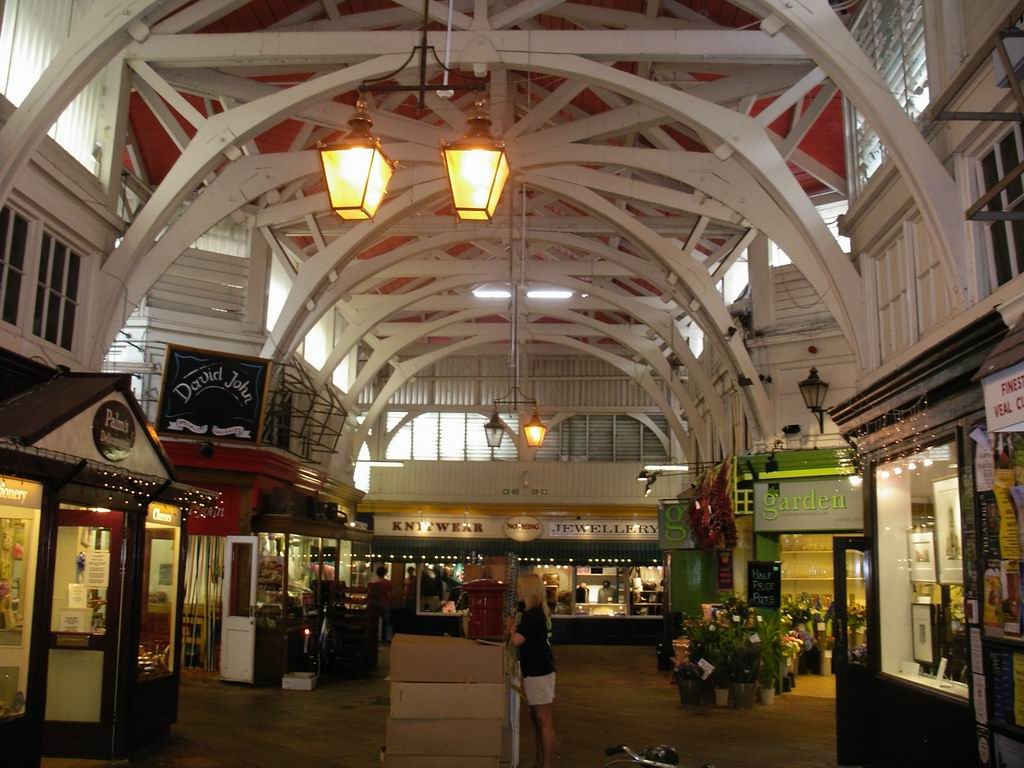
The Covered Market, established in 1774, stands as a cornerstone of Oxford's retail history. Its purpose-built structure was designed to clear unsightly street stalls and provide a permanent, sheltered space for traders. Today, it remains a bustling hive of activity, a vibrant contrast to the more temporary markets, offering a unique blend of traditional and contemporary commerce.
What it sells: Within its labyrinthine passages, visitors discover a diverse array of goods. Food stalls include traditional butchers offering locally sourced meats, fishmongers with daily catches, and greengrocers selling fresh produce. Bakeries present artisanal breads, pastries, and cakes, while cafes serve coffee and light meals. Beyond fresh ingredients, the market features independent boutiques selling gifts, clothing, and handcrafted items, creating a varied shopping experience. Specific examples include the long-standing butcher shops known for their sausages and game, and the confectioners offering fudge and chocolates.
Atmosphere: The atmosphere inside the Covered Market is one of lively tradition. The narrow aisles, high ceilings, and constant flow of shoppers and traders create a sense of enduring community. It feels both old-world and perpetually fresh, a place where generations have shopped and socialized. The chatter of voices, the aroma of baking bread and fresh coffee, and the vibrant displays of goods contribute to its unique, intimate charm. It provides a sheltered retreat from the city streets, inviting leisurely exploration.
How it fits the city's history: The market is a direct link to Oxford's mercantile past, showcasing how the city organized its trade and commerce. Its construction was a significant urban planning effort in the 18th century, reflecting a desire for order and hygiene. Over centuries, it has adapted, moving from primarily raw goods to a mix of specialty foods, crafts, and services. It embodies the continuity of Oxford's commercial life, adapting to changing consumer habits while retaining its historical character. The market's endurance speaks to the city's ability to preserve its heritage while embracing new ventures.
Gloucester Green Market - A Modern Revival
Gloucester Green, a historic square in the city centre, transforms several days a week into a lively open-air market. While the site has a long history of market activity, its modern incarnation offers a different rhythm and product range compared to the Covered Market. It's a dynamic space that brings a contemporary, international flavour to Oxford's market scene.
What it sells: The market is best known for its exceptional street food, featuring a rotating selection of international cuisines. You might find stalls serving authentic falafel wraps, spicy curries, traditional crepes, gourmet burgers, and various Asian noodle dishes. Beyond the culinary offerings, the market also hosts stalls selling fresh produce, artisanal cheeses, baked goods, and a variety of non-food items. These can include handcrafted jewellery, local artwork, plants, vintage clothing, and second-hand books, creating a treasure hunt for visitors.
Atmosphere: The atmosphere at Gloucester Green Market is vibrant and energetic. It's a place for quick, delicious meals enjoyed standing or on benches, surrounded by the buzz of conversation and the aroma of diverse foods. The temporary nature of the stalls gives it a dynamic, ever-changing feel, distinct from the permanent structures of the Covered Market. On market days, the square becomes a focal point for locals and visitors seeking a casual, engaging experience. The sense of discovery, especially among the food stalls, is palpable.
How it fits the city's history: Gloucester Green has served as a market site since medieval times, originally outside the city walls. Its revival as a prominent market in recent decades connects directly to Oxford's long tradition of public commerce. The square has seen many uses, from a livestock market to a bus station, but its return to a vibrant marketplace reasserts its historical function. The market's international food offerings also reflect modern Oxford's multicultural demographics, showcasing how the city embraces global influences while honouring its past. It's a modern interpretation of ancient market principles.
Jericho - Bohemian Bites and Independent Spirit
Just northwest of the city centre, Jericho offers a distinct village-like atmosphere, characterised by its independent shops, pubs, and restaurants. This area, once a working-class district tied to Oxford's industrial past, has evolved into one of the city's most desirable residential and dining neighbourhoods.
What it sells: Jericho's food scene is defined by its independent spirit. You'll find a range of sophisticated restaurants offering modern British cuisine, European dishes, and various international options. Specialty food shops include artisanal bakeries, delis stocking fine cheeses and charcuterie, and wine merchants. Cafes are plentiful, serving high-quality coffee and light meals, often with outdoor seating. The emphasis here is on quality, curated offerings, and a personalised experience rather than mass-market options. Expect to find establishments known for their inventive menus and carefully sourced ingredients.
Atmosphere: The atmosphere in Jericho is relaxed, intellectual, and bohemian. Its streets are quieter than the city centre, with a charming mix of Victorian terraces and canal-side views. Dining here often feels more intimate, with smaller venues fostering a sense of community. Evenings bring a gentle buzz, as residents and visitors frequent its acclaimed pubs and restaurants. It retains a distinct local feel, separate from the main tourist circuits, making it a favourite for those seeking a more authentic Oxford experience.
How it fits the city's history: Jericho's history is rooted in its industrial past, specifically the Oxford Canal and the university's printing presses. These industries brought workers and shaped its unique character. Its transformation into a vibrant residential and dining hub reflects Oxford's broader gentrification trends and the city's growth beyond its academic core. The independent nature of its businesses echoes a historical self-reliance, with local entrepreneurs creating unique spaces. It illustrates how an area can reinvent itself while retaining strong ties to its heritage.
Cowley Road - Oxford's Global Food Hub
Stretching east from the city centre, Cowley Road is Oxford's most ethnically diverse thoroughfare, and this diversity is profoundly reflected in its food scene. It's a bustling, colourful street that offers a stark contrast to the historic centre, providing a truly global culinary journey.
What it sells: Cowley Road is a treasure trove of international cuisine. You can find restaurants and takeaways serving authentic dishes from across the globe: Caribbean jerk chicken, Middle Eastern kebabs and mezze, South Asian curries and biryanis, East Asian noodles and dim sum, and African stews. Beyond restaurants, there are numerous international grocery stores selling ingredients not easily found elsewhere in Oxford. Independent cafes, bakeries, and vibrant bars also line the street, catering to a diverse clientele. It's a place where culinary boundaries blur, and experimentation thrives.
Atmosphere: The atmosphere on Cowley Road is energetic, eclectic, and often bustling. It's less polished than the city centre, with a raw, authentic feel that reflects its multicultural population. The street is alive with activity day and night, offering a constant stream of new sights, sounds, and smells. It's a place where different cultures intersect, creating a unique urban tapestry. The vibrancy is infectious, drawing people from all over Oxford to experience its distinct character.
How it fits the city's history: Cowley Road's character is a direct result of Oxford's immigration history. As the city grew and diversified, communities from around the world settled here, bringing their culinary traditions with them. This street became a focal point for these communities, evolving into the vibrant, multicultural district it is today. It demonstrates how immigration has enriched Oxford's cultural and culinary landscape, creating a dynamic food destination that celebrates global diversity. The road stands as a living document of modern Oxford's social evolution.
The Enduring Appeal of Oxford's Food Culture
Oxford's food culture is more than just a collection of eateries; it's a narrative woven through centuries of urban development. Each market and street offers a window into a different facet of the city's identity, from its ancient trading routes to its modern, global outlook.
Key aspects of Oxford's food evolution: Medieval Roots: The city's history as a market town, with goods traded in central squares, directly informs the ongoing vitality of places like Gloucester Green. Industrial Transformation: Areas like Jericho highlight how industrial growth and subsequent gentrification reshape food offerings, moving from basic provisions to gourmet experiences. Multicultural Growth: Cowley Road vividly illustrates the profound impact of immigration on a city's culinary landscape, bringing a world of flavours to local palates. Preservation and Adaptation: The Covered Market exemplifies how a historic institution can adapt over centuries, maintaining its relevance while evolving its offerings.
These distinct food hubs collectively represent Oxford's ability to honour its past while continually embracing the new, ensuring its culinary scene remains as dynamic and engaging as the city itself.
Frequently asked questions
When is the best time to visit Oxford's markets for food?
For the Gloucester Green Market, market days are typically Wednesday, Thursday, and Saturday. Visiting around lunchtime offers the widest selection of hot street food. The Covered Market is open daily, and any time during standard shopping hours provides a full experience of its permanent stalls, though mornings might be less crowded for browsing. For the food streets of Jericho and Cowley Road, evenings are often best for experiencing the full restaurant and bar scene, while daytime allows for cafe visits and exploring specialty shops.
Are there options for specific dietary needs across Oxford's food scene?
Yes, Oxford's diverse culinary landscape generally caters well to various dietary needs. Many street food vendors at Gloucester Green offer vegetarian, vegan, and gluten-free options, often clearly marked. Restaurants in Jericho and Cowley Road, given their independent and international nature, are usually accommodating and able to adapt dishes or recommend suitable choices. The Covered Market also has options, particularly in its cafes and bakeries, with some stalls specialising in specific diets. It is always advisable to communicate your requirements clearly to staff.
How does Oxford's student population influence its food culture?
Oxford's large student population significantly shapes its food culture, contributing to its demand for diverse, affordable, and often quick dining options. This influence is particularly visible on Cowley Road, with its abundance of international takeaways and budget-friendly restaurants. Students also support the vibrant cafe culture across the city, including in Jericho, and contribute to the lively atmosphere of the markets. Their presence drives innovation and variety, ensuring a constant flow of new culinary trends alongside established favourites, making the food scene dynamic and accessible.
This is an independent member's guide compiled by Oxford BGTC Society. We are not affiliated with the venues and institutions mentioned; opening arrangements and programmes change - always confirm details on the official websites before making plans.
← Back to Events