Oxford parks and green spaces - a member's guide
Where Oxford goes outdoors: the parks worth crossing town for and when each is at its best.
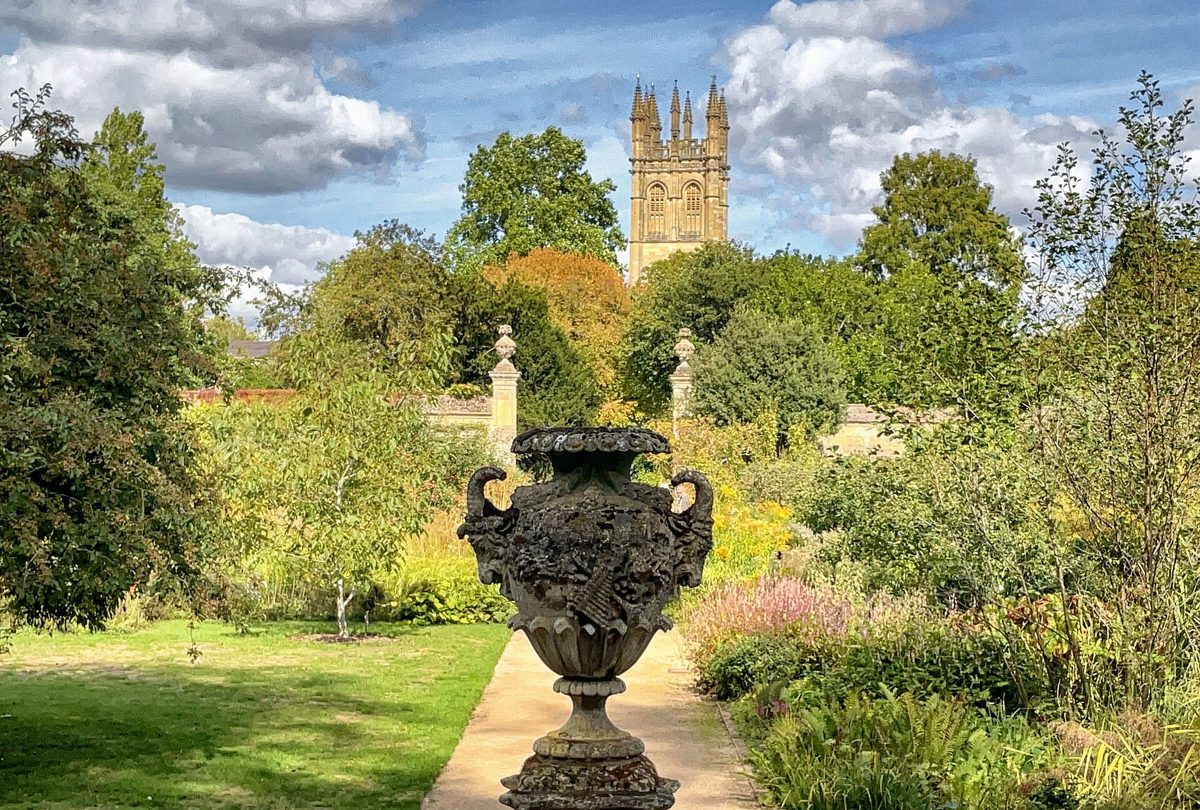
Oxford's Green Heartbeat: A Member's Guide to Parks and Gardens Oxford's green spaces offer diverse escapes, from formal university gardens to expansive ancient meadows. These vital havens provide opportunities for quiet reflection, vigorous exercise, and deep connection with nature, showcasing the city's unique blend of academic heritage and natural beauty across every season.
Oxford's Green Lungs - An Overview
Beyond the academic quads and bustling streets, Oxford provides an impressive array of parks and gardens, each with its distinct character. These green havens are not merely decorative; they are integral to the city's identity, offering residents and visitors alike a chance to unwind, explore, and connect with the natural world. From meticulously cultivated collections to wild, ancient landscapes, these spaces reflect centuries of history, academic pursuit, and environmental stewardship.
The University Parks - Academia's Backyard
The University Parks, often simply called 'The Parks,' comprise around 70 acres of parkland managed by the University of Oxford. This space blends formal plantings with extensive open areas, offering a varied landscape for recreation and contemplation. The River Cherwell meanders along its eastern boundary, adding to the tranquil atmosphere. Character: A sophisticated blend of recreational fields, botanical collections, and riverside walks. It feels both grand and accessible, a working landscape for sports, scientific study, and public enjoyment. There are mature specimen trees, a large cricket ground, and winding paths. Best for: Gentle jogging and walking on well-maintained paths. Picnicking on the vast lawns, particularly near the river. Watching university cricket matches during summer terms. Observing a wide variety of tree species from around the world in the arboretum sections. Quiet contemplation on benches tucked away from the main thoroughfares. Seasonal Notes: Spring brings a carpet of daffodils and crocuses, particularly around the main entrance. Summer sees the cricket pitch in full use and the flowerbeds in bloom. Autumn transforms the trees into a spectacle of reds, oranges, and golds. Winter offers crisp, clear walks and the skeletal beauty of the trees. Insider Tip: Seek out the path along the eastern bank of the Cherwell, often less busy than the main paths. It provides excellent opportunities for birdwatching- look for kingfishers and herons- and a different perspective on the park's scale.
Oxford Botanic Garden - A Living Library
Established in 1621, the Oxford Botanic Garden is the oldest botanic garden in Great Britain and the third oldest scientific garden in the world. Its compact area belies an extraordinary diversity of plants, serving both scientific research and public enjoyment. The garden is divided into a historic walled garden, glasshouses showcasing various climates, and an arboretum section. Character: A meticulously curated collection of plants from across the globe, presented in an accessible and educational format. It is a place of quiet beauty and intense scientific interest, offering a journey through different botanical zones within a small footprint. Best for: Horticultural inspiration and plant identification. Learning about plant evolution and medicinal uses in the physic garden. Escaping the city bustle into a world of diverse flora. Photography, especially within the glasshouses or among the vibrant seasonal displays. A tranquil half-day visit focused on botanical discovery. Seasonal Notes: The glasshouses provide year-round interest, offering tropical and arid environments irrespective of external weather. Spring bursts with early bulbs and blossom, while summer presents a riot of colour in the herbaceous borders. Autumn highlights seed heads and the subtle beauty of changing foliage. Insider Tip: Spend time in the physic garden beds. This section, closest to the original garden's purpose, details plants historically used for medicine, providing a fascinating link to the garden's 17th-century origins and the university's scientific pursuits.
Port Meadow - Ancient Common, Wild Horizons
Port Meadow is a vast expanse of ancient common grazing land, stretching for miles along the River Thames (locally known as the Isis). It has been continuously grazed for over 1,000 years, an unbroken tradition dating back to Anglo-Saxon times. This is Oxford's wildest green space, largely untamed and open to the elements. Character: Expansive, open, and wild, offering uninterrupted views of the sky and distant Oxford spires. It feels truly outside the city, despite its proximity. The presence of grazing horses and cattle adds to its ancient, pastoral charm. It can be rugged and muddy, a true flood meadow. Best for: Long, invigorating walks, often lasting several hours. Dog walking, with plenty of space for off-leash exploration. Birdwatching- the meadow is a significant habitat for various waterfowl and wading birds. Experiencing dramatic sunsets over the wide-open landscape. A sense of freedom and connection to an ancient, unchanged landscape. Seasonal Notes: The meadow can become extensively flooded in winter and early spring, transforming into a shallow lake that attracts migratory birds. Summer sees lush green grass for grazing and warm, dry paths. Autumn brings atmospheric mists and dramatic skies. Always check conditions, as paths can be very muddy. Insider Tip: Walk beyond the main popular areas near the city towards the northern end, past the railway bridge, to Godstow Lock. This quieter stretch offers a more secluded experience and often better opportunities to observe wildlife along the riverbanks and in the less disturbed parts of the meadow.
Christ Church Meadow - The Postcard View
Christ Church Meadow is perhaps the most iconic green space in Oxford, bordered by Christ Church College, the River Thames (Isis), and the River Cherwell. This large, flat meadow offers quintessential views of the 'dreaming spires' and is a central part of the university experience. Character: Quintessentially Oxford- picturesque, well-maintained, and steeped in academic history. It offers classic views of Christ Church, Merton College, and the Cathedral. It is a place for gentle strolls and absorbing the city's unique atmosphere. Best for: Leisurely walks with stunning architectural backdrops. Accessing punting on the Cherwell from Magdalen Bridge. Observing rowing crews on the Isis, especially during training sessions. Enjoying a picnic with views of the historic colleges. A peaceful escape from the bustling city centre, yet still very much within it. Seasonal Notes: Popular year-round. Spring brings fresh green grass and early blossoms on the trees bordering the rivers. Summer is ideal for punting and enjoying the warmth. Autumn casts a golden light on the college buildings, and winter offers crisp, clear views of the spires. Insider Tip: Position yourself along the path that runs parallel to the Cherwell. Here, you can watch university rowing eights and fours practice, particularly in the early mornings or late afternoons, offering a dynamic glimpse into Oxford's sporting traditions.
Harcourt Arboretum - A Woodland Sanctuary
Part of the Oxford University Botanic Garden, Harcourt Arboretum is located several miles south of Oxford, near the village of Nuneham Courtenay. Spanning 130 acres, it is a vast and mature arboretum, offering a more extensive woodland experience than the central Botanic Garden. It is particularly renowned for its collection of conifers and its spectacular autumn colour. Character: A grand, expansive arboretum with a woodland feel, featuring majestic specimen trees, open glades, and a tranquil atmosphere. It feels more like a country park or a large estate than a city garden, providing a deeper immersion into natural landscapes. Best for: Longer, leisurely walks among impressive tree collections. Serious tree enthusiasts and botanists keen to see rare and large specimens. Family outings with plenty of space for children to explore. Experiencing breathtaking autumn foliage displays. Picnicking under ancient trees in peaceful surroundings. Seasonal Notes: Harcourt Arboretum is particularly stunning in autumn when its extensive collection of maples, oaks, and other deciduous trees puts on a vibrant display of colour. Spring brings rhododendrons and azaleas into bloom. Summer offers cool shade under the canopy, and winter reveals the structural beauty of the trees. Insider Tip: Seek out the Dawn Redwood (Metasequoia glyptostroboides) collection. These trees were once thought to be extinct, known only from fossils, until living specimens were rediscovered in China. Harcourt has a significant planting, offering a unique botanical history lesson.
Frequently asked questions
Is it possible to cycle through all of Oxford's green spaces?
Cycling access varies significantly across Oxford's green spaces. The University Parks and Christ Church Meadow generally prohibit cycling on their main paths to preserve the peaceful atmosphere and ensure pedestrian safety, though designated cycle routes exist around their perimeters. Port Meadow allows cycling on certain bridleways, but many areas are unsuitable, especially when wet. The Oxford Botanic Garden is purely for pedestrians. Harcourt Arboretum has specific cycle paths, but many areas are pedestrian-only. Always check local signage for current regulations.
Are all these green spaces free to enter?
Most of Oxford's major green spaces are freely accessible to the public. University Parks, Port Meadow, and Christ Church Meadow do not charge an entry fee, allowing open access for all. The Oxford Botanic Garden and Harcourt Arboretum, however, are managed by the University and typically charge an admission fee, as they are curated collections requiring maintenance and staff. Membership to the Botanic Garden often includes access to both sites.
Which green space is best for a quiet, reflective experience away from crowds?
For a truly quiet and reflective experience, Port Meadow offers the most expansive and least crowded option, particularly if you venture further north from the main access points towards Godstow. Its vastness and wild character provide ample opportunity for solitude. While University Parks and Christ Church Meadow are beautiful, they can attract more visitors, especially during peak times. Harcourt Arboretum, being further from the city centre, also provides a peaceful, contemplative atmosphere among its extensive tree collections.
This is an independent member's guide compiled by Oxford BGTC Society. We are not affiliated with the venues and institutions mentioned; opening arrangements and programmes change - always confirm details on the official websites before making plans.
← Back to Events