A cultural weekend in Oxford - the member's itinerary
Two well-planned days of art, music, architecture and food in Oxford - an itinerary built around real landmarks.
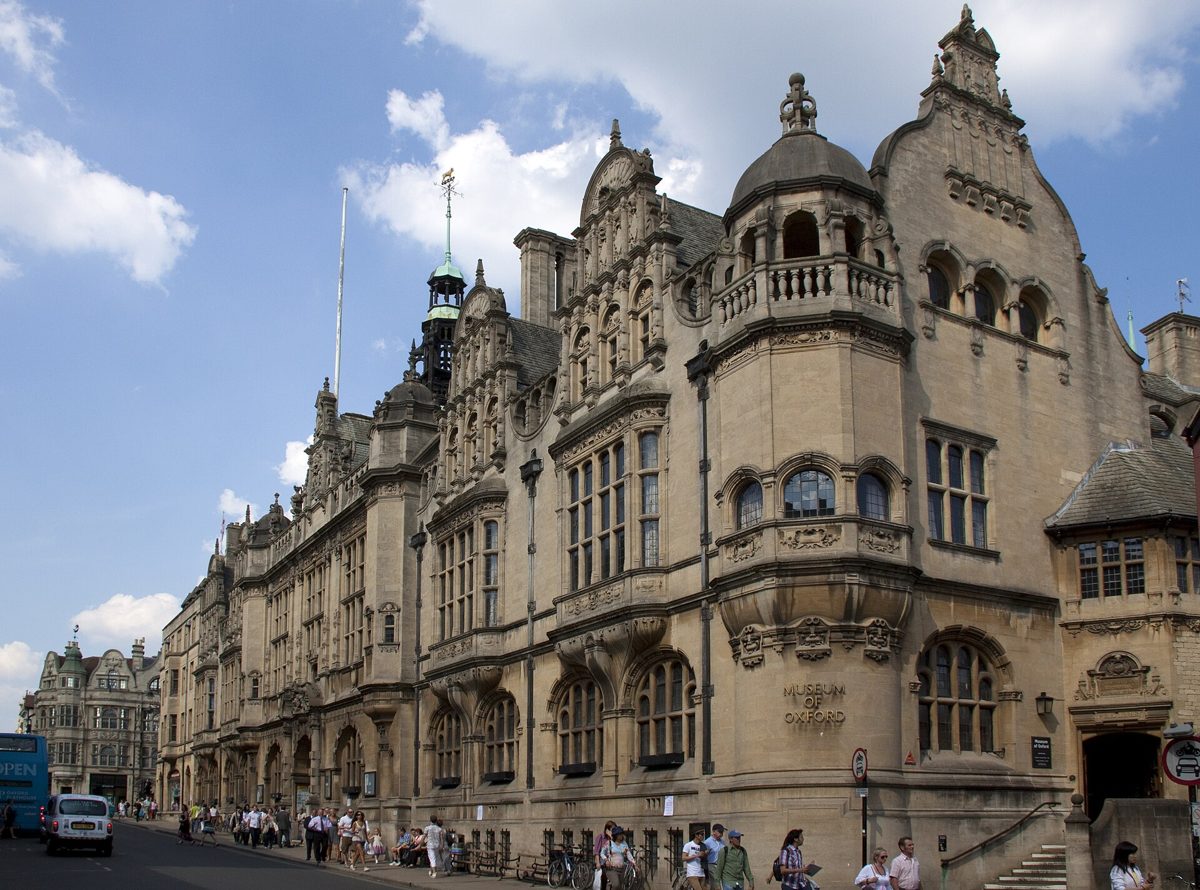
A cultural weekend in Oxford offers unparalleled immersion in history, academia, and stunning architecture. From medieval colleges and world-class museums to serene riverbanks and historic pubs, two days here promise a profound connection to centuries of intellectual pursuit and vibrant city life, revealing the city's unique, timeless character. Oxford is more than just a collection of ancient buildings; it embodies intellectual curiosity and architectural grandeur, a vibrant reflection of centuries of thought. As a city shaped by scholars, writers, and revolutionaries, it offers a distinct cultural experience, blending hallowed halls of academia with a vibrant, contemporary pulse. This guide provides an insider's look at how to genuinely absorb Oxford's spirit over a single, well-spent weekend. We will navigate its cobbled lanes, explore its iconic institutions, and uncover its hidden gems, embracing the city's unique blend of tradition and innovation. Prepare to walk in the footsteps of giants and discover why this city continues to captivate hearts and minds.
Saturday morning
Start your Oxford adventure early to beat the crowds and truly appreciate the quiet grandeur of the colleges. Your first stop is the magnificent Christ Church, one of Oxford's largest and most prestigious colleges, unique for also housing a cathedral. Approach through the main gate, Tom Gate, designed by Christopher Wren.
Inside, the sheer scale of Tom Quad is breathtaking. Wander through this expansive quadrangle, taking in the intricate architecture and imagining centuries of student life unfolding here. The Great Hall is a must-see, famous for its grand hammer-beam roof and portraits of former students and deans, including John Locke and Charles Dodgson (Lewis Carroll). Yes, it is a filming location for scenes in the Harry Potter films, but its own history and artistry stand independently. Next, visit Christ Church Cathedral, which serves both as the college chapel and the cathedral for the Diocese of Oxford. Its relatively compact size belies its rich history, showcasing Norman and Gothic architecture side by side. Look for the intricate fan vaulting and stained glass, some by Edward Burne-Jones, and note the memorial to Liddell, the dean whose daughter Alice inspired Lewis Carroll's tales. The serene atmosphere provides a moment of quiet reflection amidst the morning's exploration.
After immersing yourself in the college's history, take a leisurely stroll through Christ Church Meadow. This expansive pastoral area, bordered by the rivers Cherwell and Isis (the local name for the Thames), offers stunning views back towards the college and the city spires. It is a perfect spot for a breath of fresh air and a sense of Oxford's green heart, right in the city center. For a quick coffee or light breakfast, consider a spot like The Missing Bean on Turl Street, known for its excellent coffee and bustling atmosphere, or another local cafe tucked away on one of the side streets leading from the main thoroughfares, perhaps a pastry from Gail's Bakery for a quick grab-and-go.
Saturday afternoon
Having absorbed the historical weight of Christ Church, your afternoon shifts to the intellectual heart of the university: the Bodleian Library complex. This is not just a library; it is one of the oldest libraries in Europe and a legal deposit library, meaning it receives a copy of every book published in the UK. Start by admiring the iconic Radcliffe Camera, its circular design by James Gibbs a distinctive feature of the Oxford skyline. While you cannot enter the Camera without a guided tour or a university card, its exterior is a marvel to behold, a symbol of enlightenment.
Next, explore the adjacent Old Bodleian Library. Make sure to visit the Divinity School, a stunning example of English Gothic architecture with its elaborate vaulted ceiling. This space, once used for lectures and examinations, is instantly recognizable from films like 'Harry Potter and the Goblet of Fire' and 'X-Men: First Class.' Its beauty is truly captivating. While direct access to the main reading rooms like Duke Humfrey's Library is restricted to researchers, various tours offer glimpses into the library's vast collections and historic spaces, providing context to its unparalleled significance in the world of scholarship, holding over 13 million printed items.
For the best panoramic views of the Bodleian, the Radcliffe Camera, and the surrounding university buildings, climb the tower of the University Church of St Mary the Virgin. The climb is a series of narrow, winding steps, but the reward at the top is a breathtaking 360-degree vista of Oxford's dreaming spires. It is an essential perspective that truly helps you grasp the city's layout and architectural density.
For lunch, head to The Covered Market. This historic market, dating back to the 18th century, is a vibrant hub of independent shops, cafes, and food stalls. You will find everything from gourmet sandwiches and fresh pastries to international street food, providing a diverse and lively setting for a midday meal. It is a great spot to soak in a bit of local life and pick up a unique souvenir. Alternatively, for a taste of Oxford's literary history with your lunch, seek out The Eagle and Child pub on St Giles'. This historic establishment was a regular haunt for the Inklings, a literary group that included C.S. Lewis, author of 'The Chronicles of Narnia,' and J.R.R. Tolkien, creator of Middle-earth. It is a cozy, traditional pub with a genuine sense of history, where ideas for fantasy worlds were forged.
Saturday evening
As dusk settles over Oxford, the city takes on a different, more intimate character. The evening is perfect for experiencing Oxford's renowned pub culture and enjoying a relaxed dinner. Start your evening with a visit to some of the city's most historic pubs, each with its own story. The Eagle and Child (St Giles'): As mentioned earlier, this was the meeting place for the Inklings. Its small, cozy rooms and literary connections make it a quintessential Oxford experience. Imagine C.S. Lewis debating allegories for Narnia with J.R.R. Tolkien over a pint, sometimes joined by Charles Williams. The Lamb & Flag (St Giles'): Just across the street from The Eagle and Child, this pub also boasts significant literary history. Thomas Hardy was a regular, and it is another spot where the Inklings occasionally met. It has a slightly larger, more bustling atmosphere but retains its old-world charm, with its dark wood interiors hinting at centuries of conversations. The Turf Tavern (Bath Place): This incredibly atmospheric pub is tucked away down a narrow alleyway, making it feel like a secret discovery. With its multiple bars, outdoor seating areas, and low-beamed ceilings, it is a favorite among students and locals alike. Bill Clinton famously visited here during his Rhodes Scholarship, a visit often recalled in local lore. It is a truly unique spot for a pre-dinner drink.
For dinner, Oxford offers a wide range of options. For something with a bit of buzz and modern European flair, consider Quod Restaurant & Bar on High Street, known for its vibrant atmosphere and art collection featuring works by various British artists. If you prefer a more traditional pub dinner experience, many of the historic pubs, including The Eagle and Child, serve hearty, classic British fare like fish and chips or steak and ale pie. For those seeking something a bit different, explore the independent restaurants around Little Clarendon Street or Jericho for diverse culinary experiences, from authentic Italian at Gees Restaurant & Bar to vibrant Indian cuisine at Cinnamon Kitchen. After dinner, if you are inclined, check the listings for the New Theatre Oxford or the Oxford Playhouse. Both venues host a variety of touring productions, from musicals and dramas to comedy acts, offering a chance to catch some live entertainment in a historic setting, perhaps a West End show or a Shakespearean play. A late evening stroll along the illuminated streets, past the colleges, is also a magical way to end the day.
Sunday morning
Sunday morning in Oxford is best spent immersing yourself in its world-class museums, which offer incredible collections free of charge. Begin your day at the Ashmolean Museum, the world's first university museum, established in 1683. Located on Beaumont Street, its grand classical façade hints at the treasures within. The Ashmolean's collections span art and archaeology from across the globe and through millennia.
Allow at least two to three hours here. You will find everything from Egyptian mummies, including the coffin of Padiamun, and Anglo-Saxon treasures like the Alfred Jewel, to Raphael drawings, Pre-Raphaelite paintings by artists such as Edward Burne-Jones, and contemporary art. The museum's layout is intuitive, allowing you to trace the history of human creativity and civilization. It is a place where you can genuinely lose yourself in the stories behind the artifacts, connecting with different cultures and epochs, from ancient Greece to Ming Dynasty China.
After the Ashmolean, take a short walk along Parks Road to visit the adjacent Oxford University Museum of Natural History and the Pitt Rivers Museum. These two museums are connected internally, offering a fascinating contrast. The Museum of Natural History is housed in a magnificent Victorian Gothic building, its soaring glass-and-iron roof reminiscent of a cathedral. Inside, you will find impressive dinosaur skeletons, including a complete Iguanodon and a Tyrannosaurus rex cast, an extensive collection of zoological and geological specimens, and the famous dodo skeleton, a poignant reminder of extinction. Its architectural beauty alone, designed by Thomas Deane and Benjamin Woodward, makes it worth the visit.
Walk through the Natural History Museum to its rear, and you will find the entrance to the Pitt Rivers Museum. This ethnographic museum is unlike any other. It displays its vast collection of anthropological and archaeological artifacts in a dense, "cabinet of curiosities" style, grouped by type rather than geographical origin or date. From shrunken heads and tribal masks from Oceania to intricate musical instruments from Africa and ancient tools from the Americas, the sheer volume and arrangement of objects are mesmerizing. It is a place of wonder and discovery, inviting visitors to ponder the diversity of human culture and ingenuity across millennia. The contrast between the grand, organized natural history displays and the densely packed, somewhat chaotic charm of Pitt Rivers makes for a truly memorable museum experience.
Sunday afternoon
For your final afternoon in Oxford, embrace a more relaxed pace, connecting with the city's natural beauty and serene waterways. A quintessential Oxford experience is punting on the River Cherwell. Head to the Magdalen Bridge Boat House, located just off High Street, where you can hire a punt. Punting involves propelling a flat-bottomed boat with a long pole, and while it might look tricky, it is incredibly rewarding. Glide past Magdalen College's famous deer park, under picturesque bridges, and through tranquil meadows. It is a wonderfully peaceful way to see Oxford from a different perspective, offering unique views of the college backs and riverine wildlife, perhaps even spotting kingfishers or swans. You can hire a punt for an hour or two, or even longer if you fancy packing a picnic.
After your punting adventure, take a short walk to the University of Oxford Botanic Garden. This is the oldest botanic garden in Great Britain, established in 1621. It is a beautifully maintained oasis of calm, featuring diverse plant collections from around the world, glasshouses with tropical species, and meticulously designed themed gardens, including the walled garden and herbaceous borders. It is a perfect spot for a leisurely stroll, to admire the flora, and to enjoy a moment of peace away from the city's bustle. The garden's historical significance, combined with its sheer beauty, makes it a delightful way to spend an hour or so, a living library of plants.
If time allows and you are still keen for more college exploration, consider a visit to Magdalen College (pronounced 'Maudlin'). Its stunning grounds include a deer park, cloisters, and the famous Magdalen Tower, from which the college choir traditionally sings on May Morning. While you might not have time for an extensive tour after punting and the Botanic Garden, a walk through its main quad, past the Founder's Tower, and parts of its extensive Addison's Walk offers a final glimpse into Oxford's collegiate beauty. For a final cup of tea or coffee before you depart, find a charming cafe near the Botanic Garden or along High Street, perhaps one with a view, to reflect on your cultural weekend in this extraordinary city.
Frequently asked questions
Is Oxford easily walkable for visitors?
Absolutely. Most of Oxford's major cultural and historical sites are concentrated within a relatively compact city center, making walking the primary and most enjoyable way to explore. You will navigate cobbled streets, narrow alleys, and scenic pathways, connecting colleges, museums, and shops with ease.
Do I need to book tickets in advance for college visits or museums?
For popular colleges like Christ Church, especially during peak season, booking tickets online in advance is highly recommended to secure your entry and potentially bypass queues. Most university museums, including the Ashmolean and the Natural History/Pitt Rivers, are free to enter and do not require advance booking, though checking their websites for current opening times and any temporary exhibition-related entry requirements is always a good idea.
What's the best way to experience Oxford's literary heritage beyond the libraries?
Beyond the Bodleian and college libraries, Oxford's literary heritage thrives in its historic pubs. Visiting The Eagle and Child and The Lamb & Flag on St Giles' provides a tangible connection to the Inklings-C.S. Lewis and J.R.R. Tolkien's literary circle. These pubs offer an authentic atmosphere where you can imagine great minds debating stories and ideas over a pint.
This is an independent member's guide compiled by Oxford BGTC Society. We are not affiliated with the venues and institutions mentioned; opening arrangements and programmes change - always confirm details on the official websites before making plans.
← Back to Events